
Institut de Logística de Barcelona
The Institut de Logística de Barcelona is a vocational training centre resulting from the collaboration between the Education Consortium of Barcelona and the Port of Barcelona.
Training Programme and Course Offering
The Port of Barcelona Logistics Institute offers official intermediate and higher-level vocational training in three professional areas: commerce, marketing and logistics; administration and finance; and IT and communications, with a specialisation in cybersecurity. It also provides a Training and Integration Programme (PFI) for those looking to enter the sector. The courses combine technical and practical content with dual training and work placements in Port Community companies, and are aimed both at future professionals and at people already in employment who wish to specialise.
The training offer of the Institut de Logística de Barcelona is part of the groups for vocational training in trade and marketing (logistics); administration and IT.
Training and Auxiliary Training programmes for the commercialisation of logistics and products (PFI)

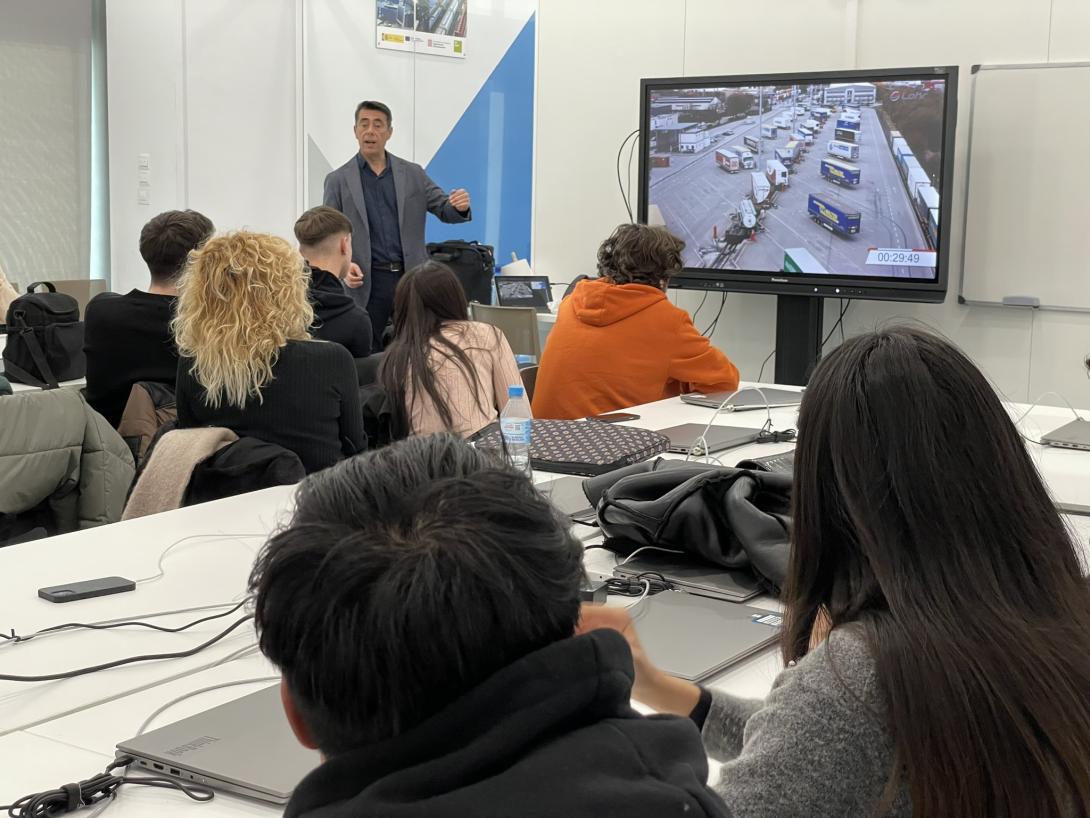
Profiles to respond to the needs of the cluster
The institute follows in the wake of centres with similar characteristics in the European and international environment. The professional profiles most in demand by the port ecosystem, as well as emerging profiles, have been studied to respond to the needs of the cluster.
The Institut de Logística de Barcelona It is part of the network of BePro (Barcelona ensenyaments Professionals) centres, a reference hub centre in the logistics sector that belongs to the professional fields of Business Activities and Logistics and Digital. Key factors are intra-sector and intra-centre networking, proximity to the business fabric and its strategic location in the Port of Barcelona.
Educational project
The Institut de Logística de Barcelona is a knowledge hub and generator of talent to serve the needs of companies and student training.
It is a dynamic and innovative centre, connected to change. The centre is open to the entire port community and the internationalisation of the country's business and industry, so that synergies and professional and innovation networks are generated.
The main axes of the project are:
- Transformative spaces.
- Networking.
- The use of active research learning methodologies.
- Internationalisation.
- Proximity to the business and productive fabric.
- The centre as a space of social interaction.
Service portfolio of the centre:
- Vocational training qualifications.
- Dual training and internships in a company.
- Certificates of professionalism./span>
- Advisory services and recognition of professional experience.
- Innovation and entrepreneurship programmes.
- Promoting foreign languages.
- Internationalisation of training.

Institut de Logística de Barcelona
WTCB
Moll de Barcelona, s/n
South building
Local 27
08039 Barcelona
Frequently Asked Questions
The Institute offers specialised training in port logistics, with programmes aimed both at professionals already working in the sector and at people looking to get started.
The courses include dual training and work placements in Port Community companies, helping students enter the labour market once they complete their studies.
The sector mainly requires profiles in commerce, marketing and logistics; administration and finance; and IT and communications with a specialisation in cybersecurity — the same training areas in which the Logistics Institute works to meet the needs of the port cluster.
