.
The Port of Barcelona assumes its role as a leader and an agent of change in decarbonising maritime transport and port activity. To this end, it monitors and works with its Port Community to reduce the environmental footprint of its activity through prevention and by taking measures to minimise environmental impacts. Additionally, using careful and certified environmental management, it ensures the quality and biodiversity of all environments, including water, air, and soil, in its area of direct influence.
The data included in this section come from the control systems of Barcelona Port Authority (APB) and are periodically reported on the Port of Barcelona website and in the annual Environmental Declaration. The scope of information in the system of environmental management includes APB facilities and activities, based on the fulfilment of its functions: managing the public port domain; building and maintaining infrastructure; and managing and supervising port and commercial services related to the passage of goods through the Port. The Port Vell, or Old Port, and facilities not directly related to Port activity are excluded, as are lighthouses and maritime signals.


The Port of Barcelona’s strategic environmental model seeks excellence in sustainability, particularly by helping to decarbonise activity, but also by improving the quality of port water, air and soils and appropriately managing waste and biodiversity.
In 2021, José Alberto Carbonell, then general manager of Barcelona Port Authority (APB), signed the document that defines the Port of Barcelona’s environmental policy. As in previous years, in 2024, APB Management once again ratified this commitment to environmental sustainability.
01
Have an appropriate environmental management programme that guides and improves our environmental performance and drives decarbonisation to confront climate change, the energy transition, the circular economy and the protection of biodiversity.
02
Stay informed and comply with current environmental legislation and other environmental requirements to which we subscribe.
03
Work to prevent environmental accidents and maintain a high level of preparedness to reduce the effects of any incident or accident that may occur.
04
Use resources in the most efficient way possible, while trying to cut consumption of non-renewables and energy, CO2 and other pollutant emissions like particulates.
05
Influence, field requests and cooperate with customers, suppliers, authorities and other participants to comply with our environmental policy and communicate effectively with the local community and relevant organisations in their environmental programmes.
06
Buy products and services whose production, use and destruction reduce the negative environmental effect to a minimum.
07
Provide all employees with training on environmental issues so that they consider themselves active agents of environmental protection and sustainability in their daily work.
08
Ensure that the necessary resources are implemented to meet these objectives and maintain our environmental management system and its certification.
09
Provide interested parties with validated information in these areas and publish an environmental statement annually.
10
Ensure that all our action is carried out within the framework of the Port’s Fourth Strategic Plan and the Sustainable Development Goals of the 2030 Agenda.
The preliminary calculations performed by Barcelona Port Authority to quantify the carbon footprint of all the activity conducted in the Port area concluded that a total of roughly 485,000 tonnes of CO2 were emitted in 2022.
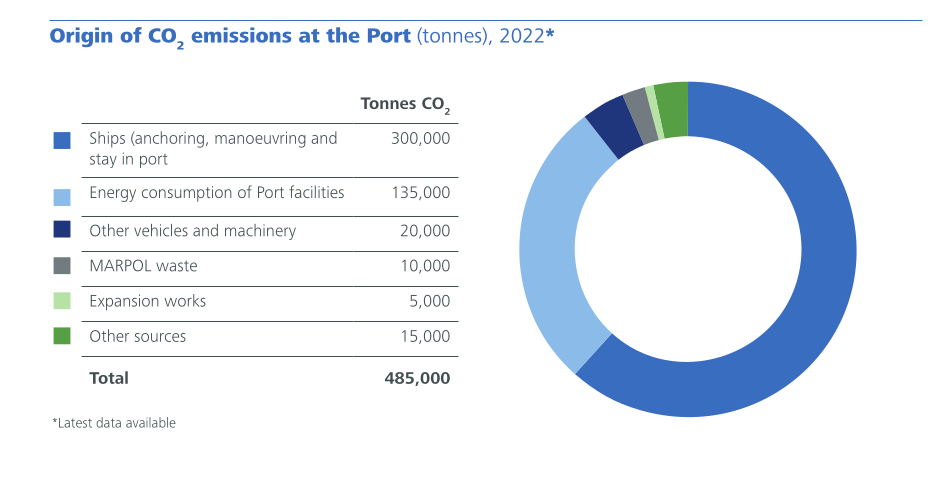
The Fourth Strategic Plan of the Port of Barcelona (2021–2025) is fully oriented towards the targets set by both the Paris Accords of the European Union and the International Maritime Organization (IMO) and includes the port activity decarbonisation strategy to halve greenhouse gas emissions by 2030 and become a climate-neutral port by 2050.
In this connection, the Port is developing an Energy Transition Plan to minimise emissions in all areas of action: port activity in general, the APB and the concessions and operators of the Port Community.
The details of the Port of Barcelona’s climate strategy can be consulted in the “2024 Environmental Declaration. European EMAS Regulation” document.
The Port of Barcelona Wharf Electrification Plan, known as Nexigen, is the key instrument in the Port’s energy transition on its path towards decarbonisation. Its main objective is to improve the air quality of the Port and city of Barcelona by implementing onshore power supply (OPS) technology, which makes it possible to supply renewable energy to ships during their stay in port, avoiding the use of their auxiliary engines. It is estimated that the impact of Nexigen will entail a nearly 47% reduction in CO₂ and NOx emissions in the Port environment and therefore move resolutely towards decarbonisation targets.
The “Actions to improve the atmospheric environment” section of this chapter details Nexigen progress during 2024.
The Port of Barcelona’s Energy Transition Plan also focuses its energy model on renewable energies, energy storage and a smart electricity grid that make it possible to respond to new consumption with optimal management. That is why for years it has worked to tap the photovoltaic generation potential on decks and surfaces in the port area and promote new fuels with zero-carbon emissions, like renewable hydrogen, green electricity, liquefied natural gas (LNG), bioLNG and green methanol, for ships, heavy vehicles and terminal machinery.
To contribute to the Port’s climate strategy, for years Barcelona Port Authority (APB) has applied extra measures to guarantee savings and maximum energy efficiency in its buildings, facilities and public lighting network, using LED lamps and sectorised lighting and promoting renewable energies.
Since 2012 the Port of Barcelona has been party to the Voluntary Agreements to Reduce Greenhouse Gas Emissions (GHG) promoted by the Catalan Government Office of Climate Change (OCCC), pledging to gradually reduce electricity consumption, as well as direct and indirect (scope II) emissions from the fuel consumption of its fleet of official vehicles, boats and some auxiliary generators, as well as reduce electricity consumption generally and consume electricity from renewable sources.
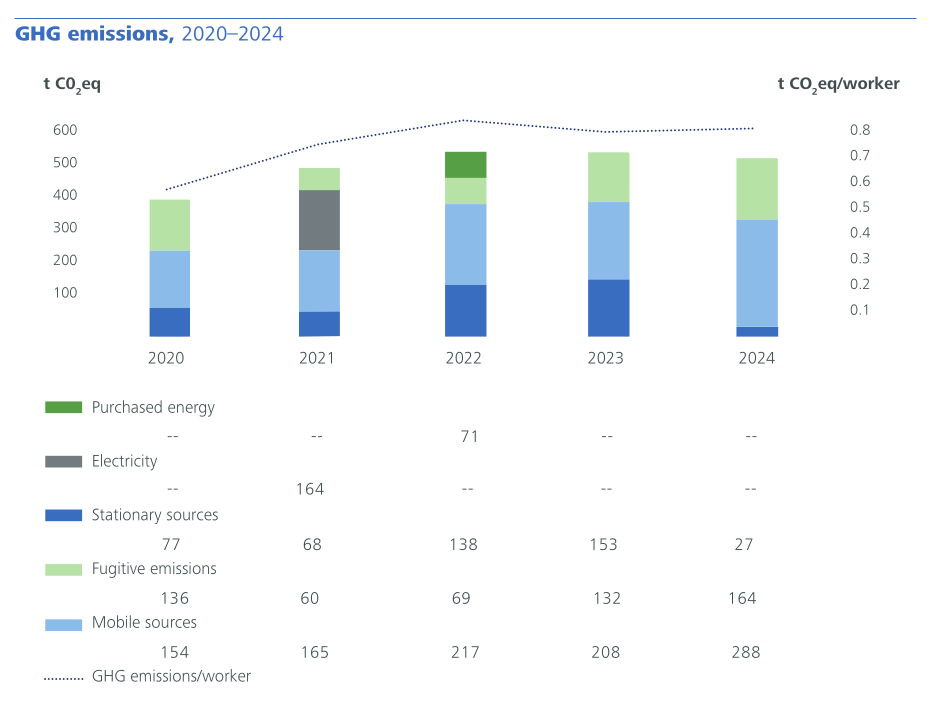
Moreover, since 2017* all the electricity consumed by the APB and companies in which it holds a stake (Port 2000, WTC Barcelona and CILSA) has carried a renewable generation guarantee certificate, so that the associated emissions do not count as greenhouse gas emissions.
* The contract with the distributor ended in late 2021, but since 1 May 2022, renewably sourced electricity has once again been contracted for supplies contracted within the free market.
Below are some of the aspects and commitments of the Port’s climate strategy that involve and affect the Port Community:
Extending the Plan for electric vehicle charging points in facilities under concession.
Promoting clean fuels for terminal machinery.
Promoting energy efficiency and renewable generation in concession buildings and facilities.
Externalities of the Port logistics chain are calculated using the ecocalculator so that they may be included in decision-making on transport routes.
Evaluating the carbon footprint of the Port Community.
The Port of Barcelona’s Environmental Management System (EMS), implemented in 2014, covers all the facilities and activities performed by Barcelona Port Authority (APB) as part of its basic functions, complies with current legislation and has the following certifications:
Specific environmental plans and programmes of the Port of Barcelona
During 2024 the Port of Barcelona managed a total of 206 environmental incidents of varying magnitude, 19% more than the previous year.
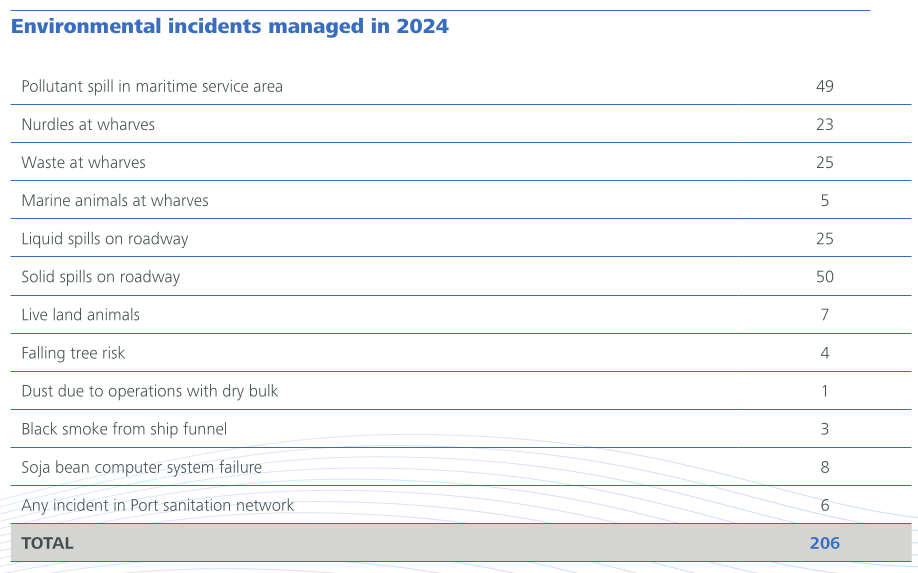
The Port of Barcelona is aware of the direct and indirect environmental impact of the activity conducted in its facilities and surroundings and not only quantifies and monitors it, but also takes improvement and control actions to minimise impacts.
The Port has a sanitation network with more than 30 km of collectors and 16 pumping stations which collect wastewater from port activity and transport it to the Llobregat and Besòs treatment stations through 14 connections to the metropolitan network. This network, together with the actions taken in the sanitation system of the city of Barcelona, has made it possible to limit the number and volume of discharges during rainy weather and thus improve the quality of port waters.
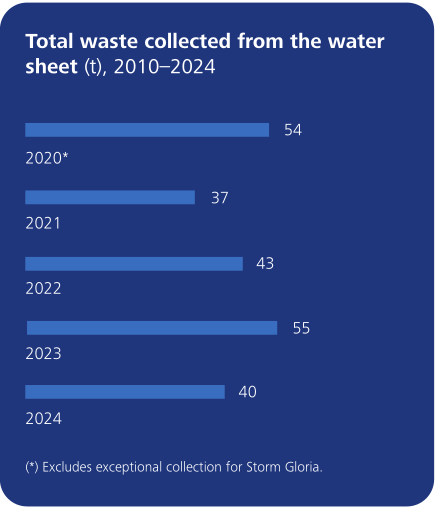
The service for collecting and removing floating waste from the Port of Barcelona’s water sheet – which is provided every day of the year and during daytime hours – collected a total of 40 tonnes of waste in 2024.
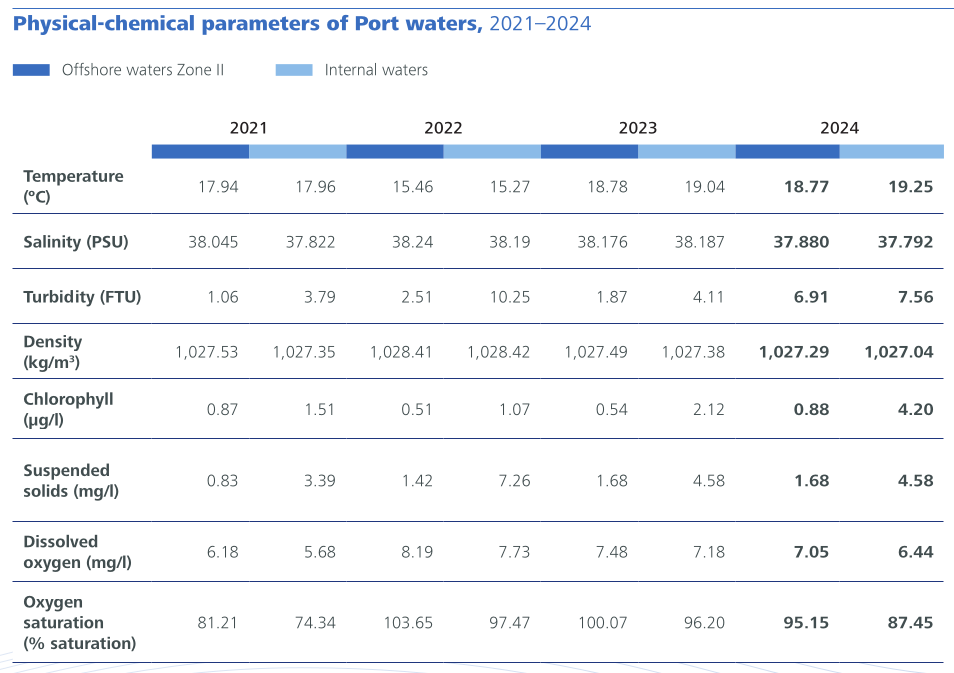
During 2024 the Port of Barcelona continued to safeguard, control and monitor the quality of the marine environment through periodic campaigns to sample water and sediments and measure bioindicators. This monitoring work is conducted in collaboration with the Catalan Water Agency in compliance with the Water Framework Directive and within the Monitoring Plan for Catalonia’s coastal water bodies. In general, and despite increased port activity, the data have stabilised or improved.
Regarding water, the main pollutants derive from nautical and port activity and urban anthropogenic pressure, with some factors outside the scope of Port management.
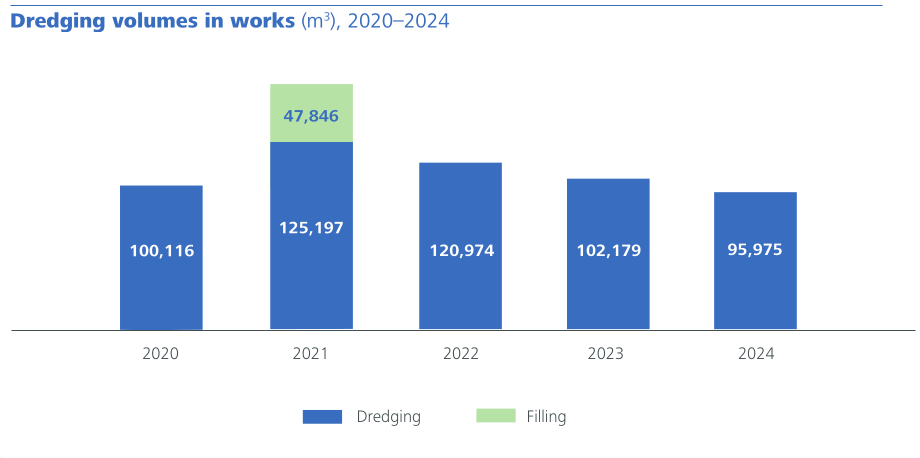
Past and present activities in the port environment also affect the seabed. To improve the quality of marine sediments, and in accordance with the guidelines of the Ministry of Public Works, the Port carefully characterises the sands removed by dredging works and determines a suitable place to deposit them.
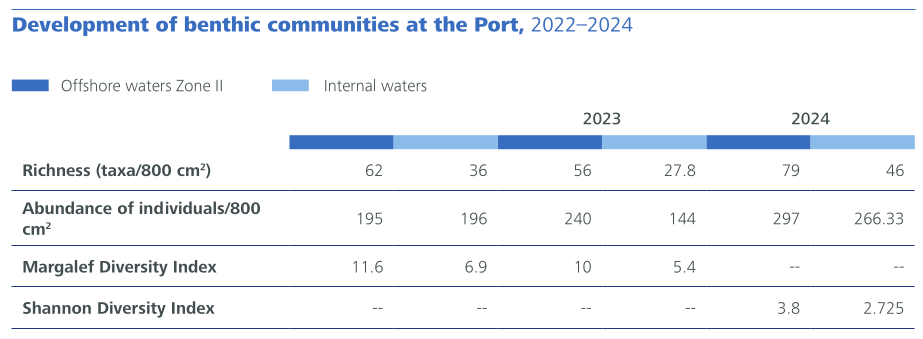
One indicator of the state of health and environmental quality of the sediments of the seabed is the benthic communities or group of living organisms that live there. The main bioindicators of these benthic communities have developed positively since monitoring began in 1998.
The Port of Barcelona’s Air Quality Improvement Plan was approved in 2016, proposing 53 specific actions which defined the strategy to reduce emissions of polluting gases and particulates. The Plan is updated regularly to align it with the action plans of the Catalan Government and Barcelona City Council for the Special Protection Zone for the Atmospheric Environment for NOx and PM10. A new version is planned for 2025 that includes new actions to reach air quality and decarbonisation targets by 2030.
Atmospheric monitoring stations
To monitor and check air quality, the Port of Barcelona has the following infrastructure:
A weather network with six stations with wind speed and direction sensors; three of which are also equipped with sensors for rain, temperature, relative humidity, atmospheric pressure and solar radiation.
A manual air quality network with five stations: five receivers for PM10 particulates (suspended particles with diameters less than 10μm) and three for PM2.5 particulates. The PM10 receiver located in the Port Vell is part of the Catalan Government’s Atmospheric Pollution Monitoring and Forecasting Network (XVPCA) and its values are official. The rest are for reference.
An automatic air quality network with two stations to measure gaseous pollutants such as nitrogen oxides and sulphur dioxide. Currently, work is under way to expand the network to five stations that will make it possible to also analyse particulate matter (PM10 and PM2.5) in compliance with the new Directive (EU) 2024/2881.
Air quality indicators
According to estimates by Barcelona Port Authority (APB), the most substantial emissions of polluting gases into the atmosphere at the Port come from ships. These represented more than 95% of the total nitrogen oxide and particulate matter in 2020 (most recent reference data). These emissions represent 7.6% of the city’s air pollution due to NOx and 1.5% of its pollution due to PM10.
The APB reviews and updates the data every few years with a calculation methodology agreed with the Barcelona City Council and Catalan Government. During 2024, work was performed on a new automated calculation platform that allows for better detail.
The trends in immission levels of the main polluting gases in the Port of Barcelona are detailed below.
Sulphur dioxide (SO2)
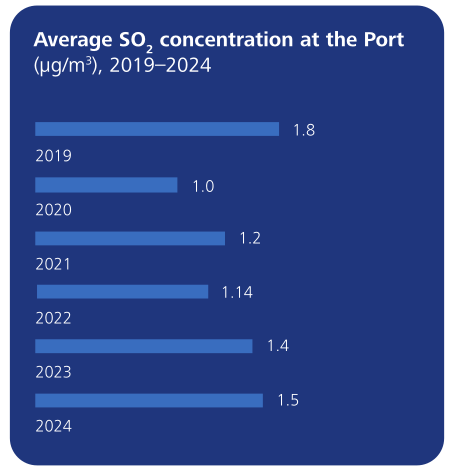
Although they rose in 2024, concentration levels of SO2 at the Port are currently low considering that current European regulations set a maximum daily average threshold of 125 μg/m³, which cannot be exceeded more than three days a year. The entry into force in 2020 of ships’ obligation to use fuels with a lower sulphur content by mass (from 3.5% to 0.5%) has had a positive impact in this regard.
Nitrogen oxide (NOx)
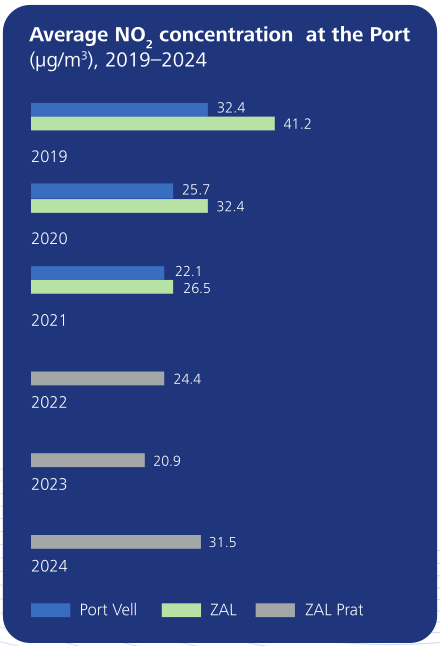
With the increase in port activity since the pandemic, NOx levels have risen, but remain below the regulatory limit of 40 μg/m³.
PM10 particulates
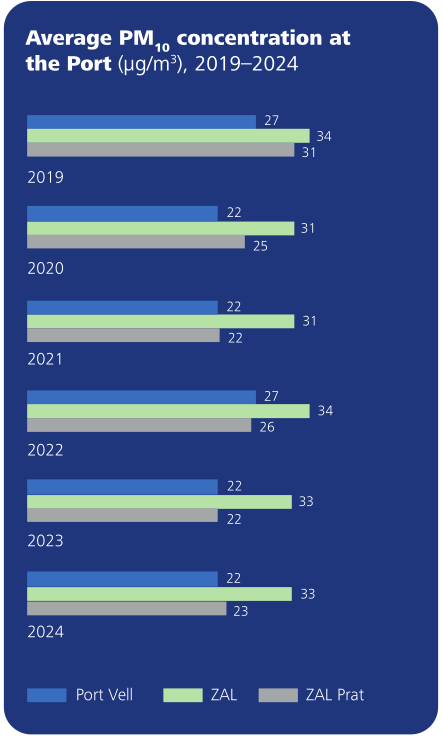
This year the average levels of PM10 particulate in the air were calculated from three stations. Concentrations show a general downward trend, except in the South basin, which due to its proximity to land traffic has levels that are higher, but stable, and always below the 40 μg/m³ limit.
Actions to improve the atmospheric environment
Barcelona Port Authority actively promotes various actions to help directly or indirectly improve air quality at the Port and its surroundings continuously.
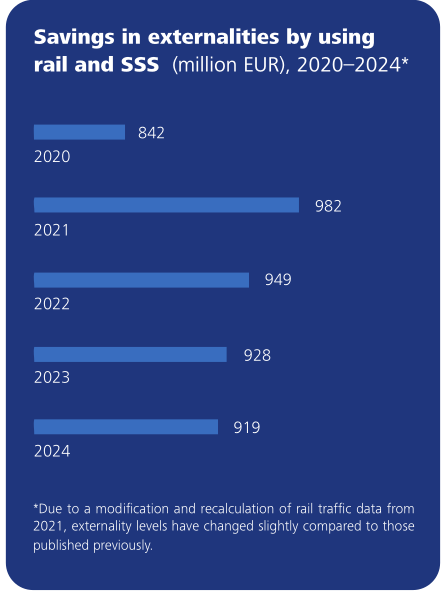
For years, intermodality has been a key element of the Port of Barcelona’s global strategy. Using rail and short sea shipping (SSS), notably the Motorways of the Sea, as an alternative to road transport reduces emissions of polluting gases and particulate matter and provides more sustainable logistics chains.
In 2024, the Port’s intermodal strategy saved €919 million in negative externalities. This figure derives from a methodology proposed by the European Commission in 2019 to monetise the impacts associated with pollution, climate change, noise, accidents, traffic congestion and infrastructure use.
Although SSS traffic increased in 2024, a greater drop in rail traffic –affected by rail works mentioned in chapter 5– resulted in an interannual decline in externality savings.
The Port of Barcelona has led the way in the Mediterranean in promoting natural gas as a transition fuel for goods mobility by sea and land. The Air Quality Improvement Plan includes actions and projects to provide appropriate infrastructure and equipment, implement regulations, extend the use of this fuel to all Port mobility and subsidise its use.
Having liquefied natural gas (LNG) at the Enagas terminal has allowed the Port to become a bunkering hub for this product in the Mediterranean.
During 2024, 229,751 m³ of LNG were supplied to ships, of which 45,427 m³ came from tanker trucks (TTS mode) and 184,324 m³ from barges (STS mode).
In the area of land transport, since 2018 the Port of Barcelona has had a supply station for liquefied natural gas (LNG) and compressed natural gas (CNG) for trucks and light vehicles.
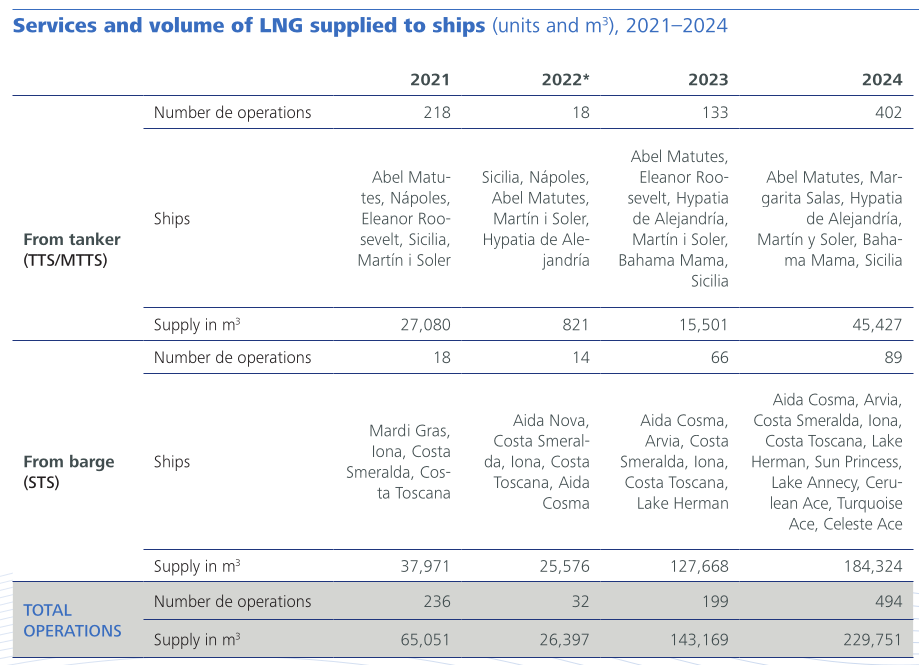
*The high price of LNG caused an extremely significant decline that year.
The Port fosters the use of cleaner energies, both by participating in projects and pilot programmes and by subsidising initiatives to encourage more sustainable transport.
Reducing emissions from ships
The Port supports technological developments such as Grimaldi company’s six ferries, which since 2019 have incorporated storage batteries with more than 5,000 KWh capacity, and initiatives using zero- or near-zero-emission fuels such as hydrogen, ammonia, methanol, synthetic hydrocarbons, biofuels and biomethane.
Electric road mobility within the Port
The Port of Barcelona is part of the Voluntary Greenhouse Gas (GHG) Reduction Agreements promoted by the Catalan Government Office of Climate Change (OCCC). Under these agreements, the APB undertakes to reduce emissions from its fleet of vehicles, boats and generators, and encourages concessionaire companies to participate.
Of the APB’s 92 vehicles, 37 are electric, 21 are hybrid of various types, and 8 are MHEV.
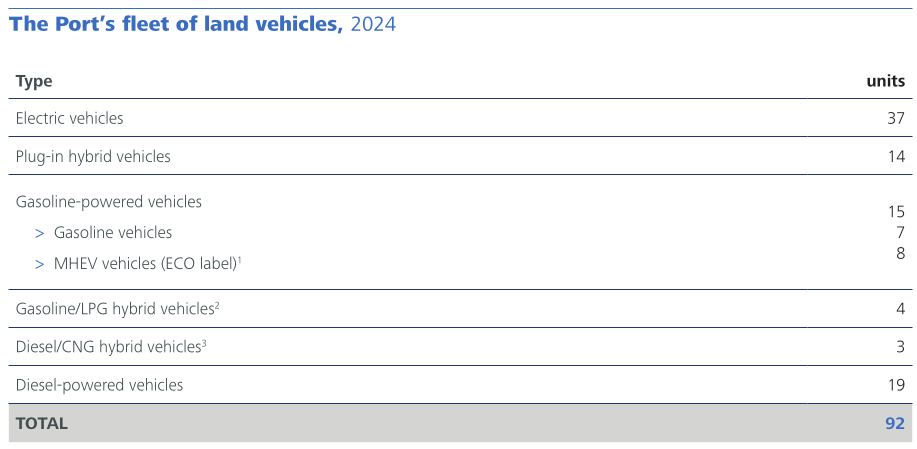
1 MHEV (mild hybrid electric vehicle) is also known as micro- or light hybrid vehicles.
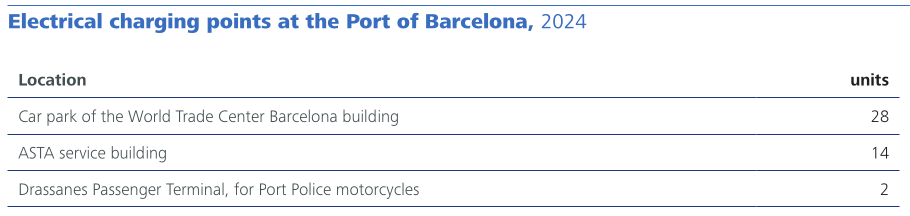
To supply energy to the electric vehicle fleet, the Port has 44 charging points for its own use in various areas.
Under the Nexigen project, the Port approved an investment of more than €110 million up to 2030 to electrify wharves and avoid the use of auxiliary engines generating emissions during ships’ stay. The Fourth Strategic Plan sets the goal of electrifying 50% of container and ferry wharves by 2025. In 2024, Nexigen’s development allowed progress in this regard.
Ships’ electrical connection to the wharf, known as Onshore Power Supply (OPS), requires roughly 78 MW from the 220 kV high-voltage network. Its launch aims to reduce CO2 by 60,000 tonnes and NOx by 1,264 tonnes: a 22% reduction in annual polluting emissions, bringing the Port closer to net-zero emissions by 2050.
As the owner of the port land, the Port of Barcelona is ultimately responsible for its condition, therefore it establishes control, monitoring and action measures to guarantee its quality.
The Port continuously monitors the state of the soil in both the port area concessioned to terminals and operators and common areas and, when necessary, takes remedial actions on contaminated soils.
In 2020 a database of contaminated soils was set up and fed with soil and groundwater pollution data from more than 1,400 registers. This will make it possible to anticipate the need to characterise a plot of land, to know whether action is required to recover it and to gather information on the level of underlying contamination.
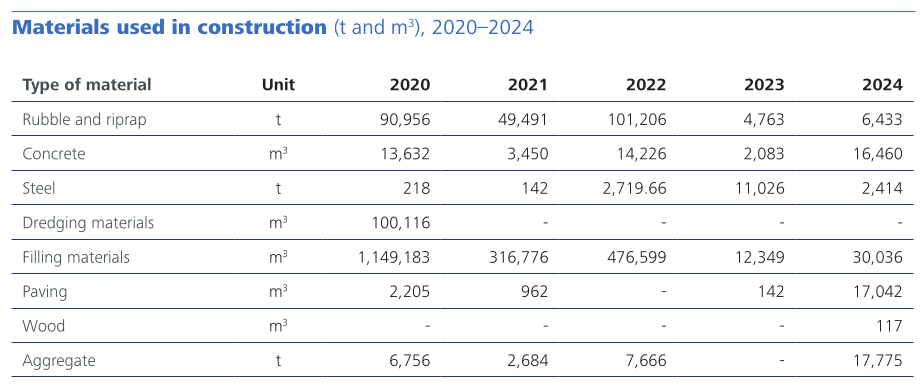
All works performed or promoted at the Port by Barcelona Port Authority are subject to environmental monitoring to ensure that they are conducted in line with best practices in the sector and applicable regulations and minimise the environmental impact.
When the works use recycled materials from dredging and demolition and deconstruction works, analysed previously, the indications of the revised text of the Ports Law and the Recommendations for managing dredged material, prepared by CEDEX in 1994 and replaced by the modified version of 2017, are upheld strictly.
Water is supplied from the public companies Aigües de Barcelona and Aigües del Prat. Water consumption by Barcelona Port Authority (APB) refers only to consumption in own facilities and common services; water supplied to third parties is not counted. In 2024 the APB consumed a total of 15,524 m³ of water, 16% less than the previous year. Reduced consumption has remained the trend after the strict water saving measures implemented in Catalonia in 2023 due to the extreme drought.
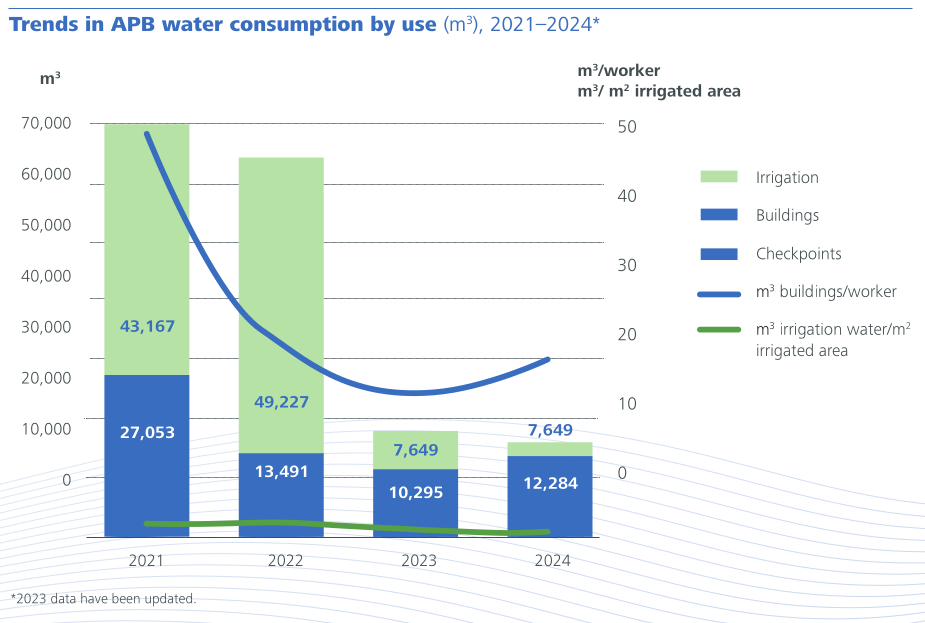
*2023 data have been updated
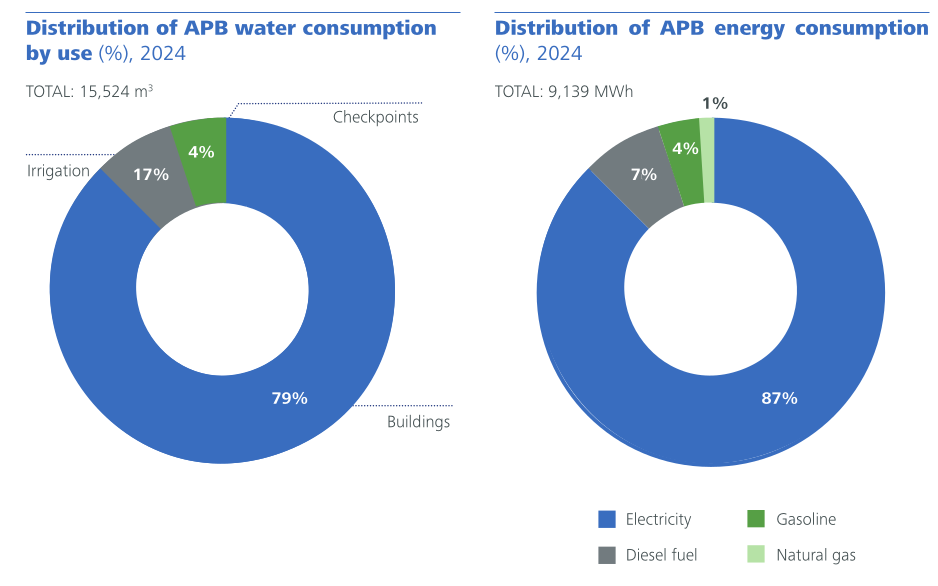
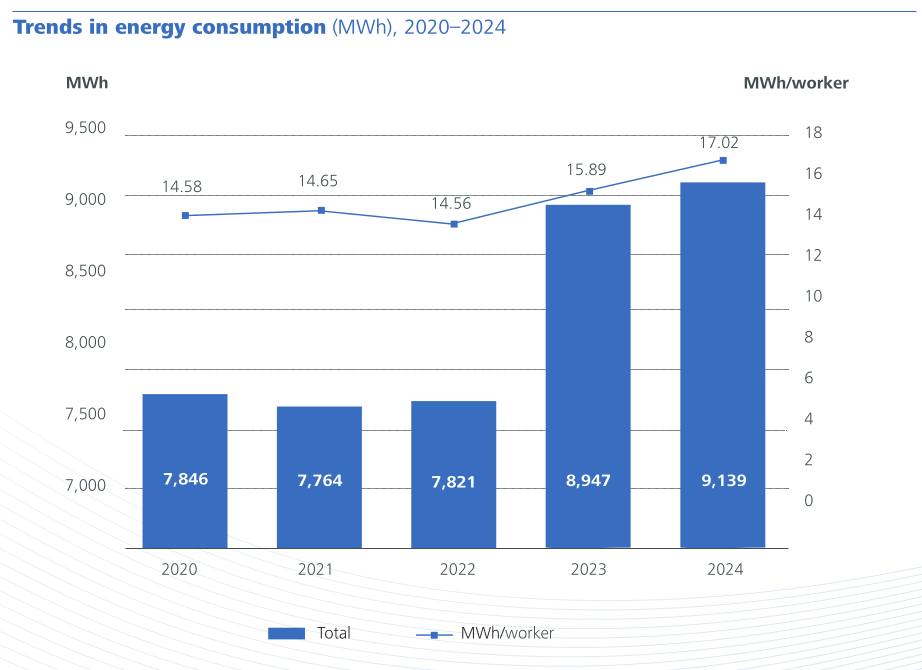
This year the APB consumed a total of 9,139 MWh of energy. The main source of energy is electricity.
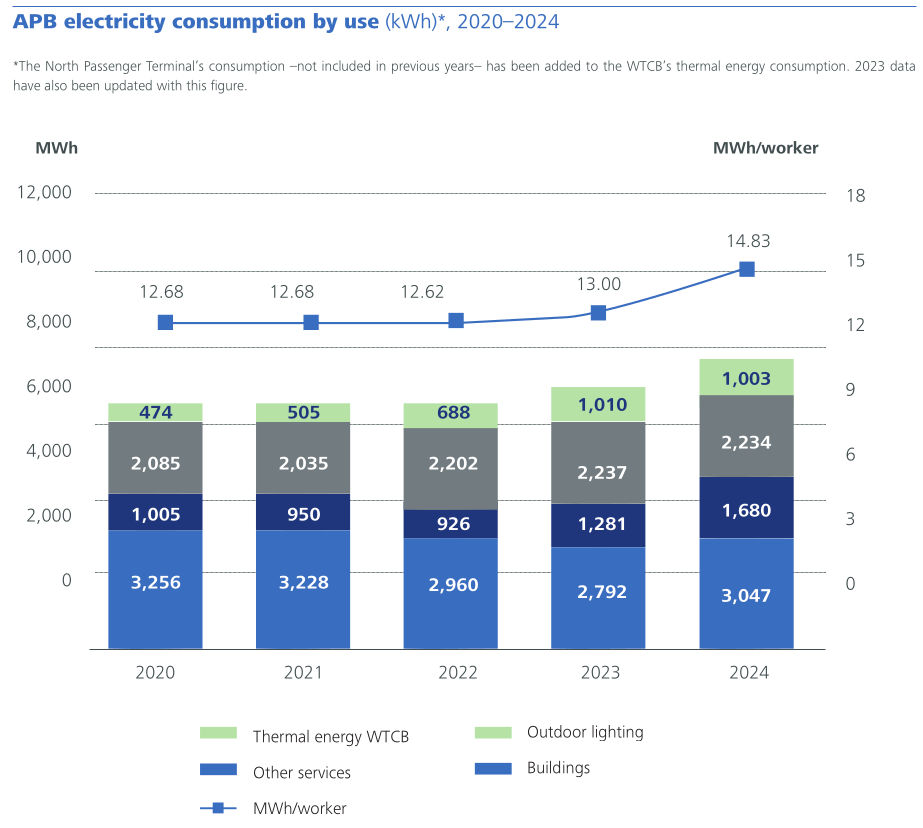
In 2024 the APB’s electricity consumption grew by 4.8%, driven by increased consumption in buildings and other services.
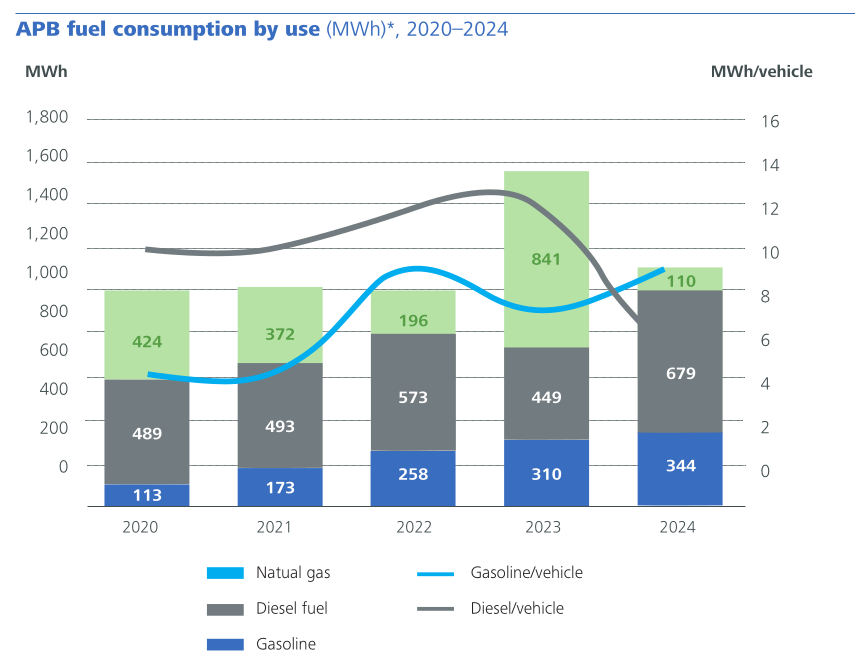
Gasoline is mainly used for the fleet of vehicles, including land vehicles and the two own vessels. Diesel fuel is used for temporary electrical generators that are gradually being replaced by electrical connections. Liquefied natural gas (LNG) is consumed in the generator sets of the ZIS building and varies based on how the building is used. Compressed natural gas (CNG) and liquefied petroleum gas (LPG) consumed by vans are not shown in the graph as consumption of these is minor.
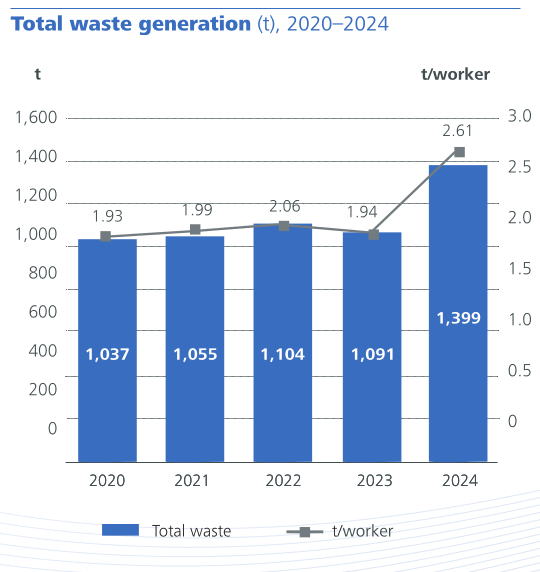
Barcelona Port Authority (APB) is responsible for removing and managing all types of waste generated in the Port of Barcelona’s own and common areas —excluding the offices and spaces occupied in the East building of the WTC Barcelona— including the bars and restaurants within the port premises and waste from road cleaning, own warehouses and workshops, periodic cleans and accidents. Concessions and facilities that conduct their activity in the port area manage their own waste.
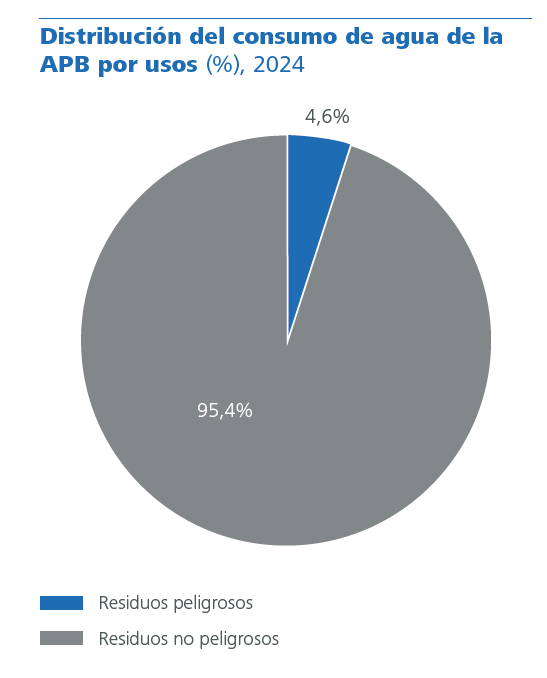
In 2024 the APB managed a total of 1,399 tonnes of recyclable waste, 2.6% more than in the previous year. Four point six percent of it corresponded to hazardous waste.
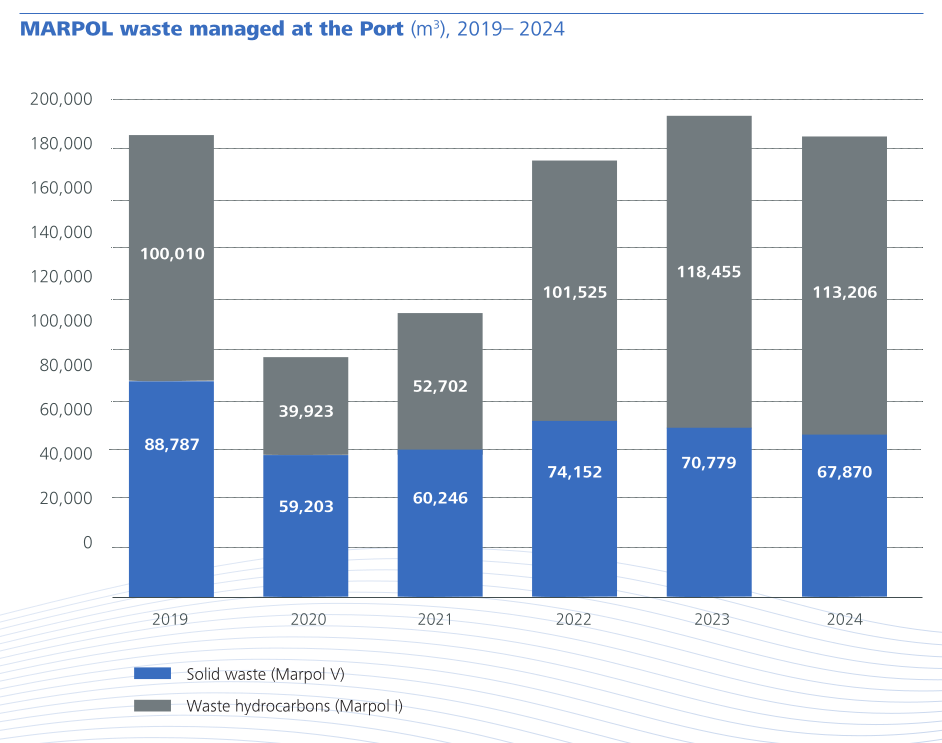
The International Convention for the Prevention of Pollution from Ships, 1973 (known as the MARPOL Convention 1973-1978) establishes that ports must have adequate facilities and a dedicated port service to receive ship-generated waste.
In 2024 the Port managed a total of 181,076 m3 MARPOL waste, of which 62% corresponded to the MARPOL V category (solid waste) and the rest to MARPOL I, including oily liquids from bilges and engines, oily sludge waste and oily liquids from tank washing.
The Port of Barcelona occupies a land area of 1,042 ha, roughly 8,000 m2 of which can be considered intended for conserving and promoting biodiversity. For years, given its location bordering the Delta del Llobregat Integral Reserve, the Port has been fully aware of and fully assumes its responsibility to ensure that port activity and works interfere as little as possible with the ecosystems and populations of birds and other species in its territory.
Since 2016 the Port has safeguarded the well-being of the breeding colony of the Corsican gull (Larus audouinii) settled on the East seawall, one of the largest in the western Mediterranean, with more than 800 pairs breeding there every year. Also, for a decade, the Department of Environment has worked to guarantee a habitat for the population of cormorants.
In 2023, the Port of Barcelona, Marina Barcelona 92 and the Ocean Ecoestructures company launched a joint initiative consisting of installing 28 underwater structures at eight points of the Port as a substrate for the recovery of marine biodiversity. Every two months an underwater drone inspects the structures and during 2024 it was verified that their installation has made it possible to increase the number of marine species present in Port waters by 44% and help to decarbonise the atmosphere, since the biomass generated by each one has fixed 850 grams of CO2 in a year. Given the success of the initiative, the promoters are studying the possibility of expanding it with 20 new structures.
These underwater structures have also proven that they can facilitate the rapid detection of potentially invasive species from outside the western Mediterranean. Of 112 species detected in the underwater structures, nine were non-native, some never before detected at the Port of Barcelona. They are subject to the corresponding monitoring, but none has impacted the local ecosystem.
Ports are potential entry points for exotic species introduced through vessel operations or their cargo, and to detect them, the Port of Barcelona has studied, controlled and monitored animal and plant species for years.
Since 2000 the Port has emitted acoustic signals through loudspeakers to deter seagulls and pigeons from approaching the facilities and prevent damage and soiling.
In 2001 and 2002 the Port’s Department of Environment helped to reintroduce the peregrine falcon (Falco peregrinus) in the city of Barcelona, raising three chicks in an artificial nest installed in a grain silo. As a result of the initiative, the falcon population in Barcelona is becoming consolidated and having a deterrent effect which leads the pigeons to keep away from the Port.